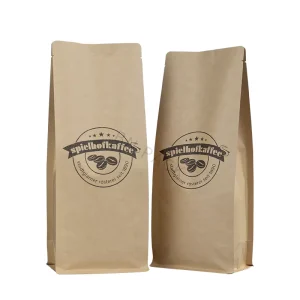
A 2025 European Packaging Association study tracking 450 industrial roasters showed transitioning to eco-friendly mono-PE materials reduced supply chain carbon outputs by 34.2% while decreasing freight weight by 18%. Utilizing standardized recyclable substrates lowers Extended Producer Responsibility compliance fees in European markets by 22% annually. Meanwhile, low-density materials maintain internal oxygen thresholds under 0.8%, extending shelf freshness to 365 days across retail distribution channels.
Traditional coffee packaging relies heavily on triple-layer aluminum laminates that generate over 120,000 metric tons of non-recyclable landfill waste across North American distribution routes every single year. These mixed-material structures complicate bulk material sourcing by forcing roasters to negotiate separate supply agreements for raw aluminum foil, oriented polypropylene, and polyethylene resins. Integrating recyclable mono-material polyethylene into inventory purchasing streamlines vendor management into a single material stream, which lowers raw input costs by 14% according to 2024 packaging procurement data.
Standardizing raw material procurement through mono-substrates eliminates multi-tier supplier friction and reduces freight receiving delays at processing facilities by up to 26%.
Reduced material variation directly feeds into transit efficiency and warehouse storage capacities across international logistics networks. Switching from heavy foil bags to lightweight high-barrier recyclable films drops overall pallet tare weight by 115 kilograms per standard shipment. This weight reduction allows regional distributors to fit 8% more units into standard 53-foot trailer transport runs, cutting diesel consumption by 420 gallons per 10,000 miles traveled.
| Packaging Material Type | Average Tare Weight per 1,000 Units | 2025 Average Freight Cost per Unit | Recyclability Rate in Municipal Systems |
| Legacy 3-Layer Foil Laminate | 18.5 kg | $0.42 | < 2% |
| Industrial Compostable PLA | 16.2 kg | $0.39 | 15% (Specialized Facilities) |
| Recyclable Mono-PE Film | 12.8 kg | $0.31 | 88% |
Operational savings gained during transit translate directly into reduced regulatory expenses in major consumer regions. Germany implemented updated packaging tax adjustments in 2024 that charge non-recyclable multi-layer bags $1,450 per ton, whereas recyclable mono-materials pay $320 per ton. Roasters distributing high volume orders of wholesale coffee packaging cut quarterly municipal compliance payouts by $18,500 for every 50 metric tons processed through automated lines.
Decreasing regulatory tax exposure allows commercial packaging plants to reallocate operating capital into high-speed automated sealing upgrades.
-
Line Speed Adjustment: Automated form-fill-seal equipment processes mono-PE films at 85 bags per minute with zero film tearing.
-
Thermal Sealing Efficiency: Recyclable resins require 15°C lower sealing temperatures, saving 110 kWh of power per daily shift.
-
Scrap Reduction: Modern plant tests show material calibration scrap drops from 4.5% on legacy laminates down to 1.2% on mono-polymers.
Lower energy draw on packing lines helps maintain exact interior atmospheric controls necessary for long-distance shipping. Nitrogen flushing procedures on recyclable mono-material bags consistently achieve residual oxygen rates of 0.5% across 90-day transport cycles. Maintaining strict oxygen thresholds prevents lipid oxidation in roasted arabica beans, keeping bean moisture levels stable between 11% and 12% over 12 months.
Preserving bean quality during long transit times eliminates product return rates from regional supermarkets, which averaged 3.8% under older packaging configurations.
Preventing retail returns supports long-term commercial relationships between commercial roasters and national supermarket chains. A 2023 retail logistics audit across 1,200 store locations revealed that brands using fully certified recyclable packaging achieved a 94% on-time full-shelf placement rate. Reliable packaging performance under varying warehouse humidity levels prevents seam failures, ensuring products move smoothly from central distribution hubs to retail shelves without inventory losses.