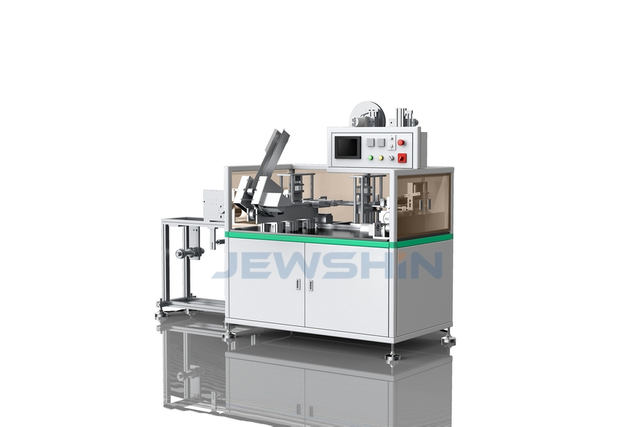
ISO-certified packaging machinery manufacturers are usually selected based on measurable production capabilities rather than certification labels alone. Companies with ISO 9001 systems often maintain documented quality procedures, supplier evaluation records, inspection processes, and corrective action systems. A reliable supplier should demonstrate stable machine performance, engineering experience, production accuracy, and after-sales support. For example, advanced packaging lines can improve labor efficiency by 40%–70% and reduce packaging errors by more than 20% when properly designed and maintained.
Packaging machinery buyers often evaluate manufacturers through several practical factors, including quality management, engineering ability, manufacturing control, customization options, and service response. ISO certification provides a structured framework, but the manufacturer’s daily processes determine whether the equipment can operate reliably in real production environments.
ISO certification is based on internationally recognized management standards. For packaging machinery companies, ISO 9001 is one of the most common certifications because it focuses on quality control systems, process documentation, customer feedback, and continuous improvement.
A certified manufacturer normally controls each production stage through defined procedures:
| Production Stage | Inspection Focus |
|---|---|
| Engineering design | Machine structure, component selection, safety review |
| Raw material purchasing | Supplier qualification and material inspection |
| Machine assembly | Mechanical accuracy and electrical connection testing |
| Factory testing | Speed, stability, and safety verification |
| Delivery process | Documentation and customer acceptance |
Manufacturers following structured quality systems can reduce production inconsistencies. According to industrial quality studies, companies using formal quality management systems often achieve 10%–30% improvement in process efficiency after implementation periods of 1–3 years.
Quality management also affects machine reliability after installation. Packaging equipment usually operates for long production hours, and small manufacturing differences can influence output stability.
A packaging machine working at 100 packs per minute requires accurate mechanical movement, stable control signals, and consistent component performance to maintain product quality during long operating periods.
Professional manufacturers usually monitor factors such as machine cycle accuracy, component lifespan, electrical safety, and maintenance requirements. Many industrial customers review indicators such as machine availability rates above 90%, maintenance intervals, and spare part supply capability before purchasing equipment.
Engineering capability is another important factor when selecting an ISO-certified supplier. Modern packaging equipment combines mechanical systems, servo motors, PLC controls, sensors, pneumatic components, and software interfaces.
A manufacturer with strong engineering resources can develop equipment according to product size, packaging material, production speed, and factory conditions. For example, food packaging equipment may require stainless steel structures and easy-clean designs, while pharmaceutical packaging systems may require higher levels of process control and documentation.
Typical engineering capabilities include:
-
3D mechanical design and simulation
-
Servo motion control integration
-
Automated inspection systems
-
Modular machine structures
-
Production line connection planning
Manufacturers that provide customized solutions, such as an automatic packaging machine supplier, can help companies adjust equipment specifications according to different production requirements.
Customization ability becomes more important as product categories expand. A single packaging line may need to handle different container sizes, packaging materials, or product formats during daily operation.
For example, a beverage manufacturer may require quick-change systems for multiple bottle sizes. Reducing format change time from 40 minutes to 15 minutes can increase available production time by more than 10% during a working shift.
Machine flexibility is usually evaluated through:
| Evaluation Item | Typical Requirement |
|---|---|
| Changeover time | Faster adjustment between products |
| Machine compatibility | Support for different package types |
| Control system | Easy parameter adjustment |
| Expansion ability | Connection with future equipment |
Manufacturing control is closely related to equipment consistency. ISO-certified suppliers normally establish inspection procedures for purchased components and finished machines.
A packaging machine may contain hundreds of parts, including motors, bearings, sensors, controllers, and customized mechanical elements. Supplier management helps reduce quality differences between different production batches.
A professional manufacturing process may include:
-
Incoming component inspection
-
Assembly verification records
-
Electrical safety testing
-
Final performance testing
-
Customer acceptance procedures
Manufacturers that maintain detailed records can provide clearer information about equipment quality. This approach is widely used in international industrial supply chains, where equipment buyers often require documentation before approving suppliers.
Production data also helps evaluate machine performance. Many packaging companies monitor indicators such as output speed, downtime percentage, maintenance frequency, and rejection rates.
For example, if a packaging line produces 60,000 units per day and the rejection rate decreases from 2% to 0.5%, the reduction can represent thousands of fewer defective packages every month. Data-based monitoring allows manufacturers and users to improve machine settings and maintenance schedules.
After-sales service is another area that separates experienced suppliers from equipment producers that only focus on delivery. Packaging machinery often operates for 5–15 years, requiring technical assistance, spare parts, and maintenance support throughout its service period.
Reliable manufacturers usually provide:
-
Installation guidance
-
Operator training
-
Remote technical support
-
Maintenance schedules
-
Spare component recommendations
A supplier with a structured service system can reduce equipment downtime when problems occur. Some manufacturers use remote diagnostic systems that allow engineers to analyze machine status without visiting the production site.
Documentation quality also reflects manufacturing maturity. International customers usually require complete technical documents before machine acceptance.
Common documents include:
| Document | Purpose |
|---|---|
| User manual | Equipment operation guidance |
| Maintenance guide | Service planning |
| Electrical drawings | System inspection |
| Quality records | Manufacturing verification |
| Spare parts list | Long-term maintenance |
Clear documentation can reduce training time and improve operator understanding. In large production facilities, standardized documents are often required for internal safety and quality procedures.
Energy efficiency has become an additional consideration in packaging machinery selection. Modern equipment manufacturers increasingly focus on reducing electricity consumption, compressed air usage, and unnecessary machine movement.
Servo motors, optimized mechanical designs, and intelligent control systems can lower energy consumption compared with older equipment designs. Depending on machine type and operating conditions, energy improvements of 15%–30% are possible after upgrading outdated systems.
Environmental requirements also influence machine design. Many global manufacturers now consider material waste reduction, recyclable packaging compatibility, and efficient production processes during equipment development.
Supplier evaluation should include certification status, engineering experience, manufacturing procedures, service capability, and long-term equipment support. ISO certification provides a structured quality framework, but reliable packaging machinery performance depends on how effectively the manufacturer applies these systems.
Companies selecting packaging equipment should review measurable information such as factory testing results, machine uptime records, customization experience, and customer support resources. A manufacturer with controlled production processes and experienced engineering teams is more likely to provide equipment that maintains stable operation across different industrial applications.