A warehouse floor cleaning plan should separate dust, oil, and tire mark removal because each type of residue requires different tools and procedures. A practical program combines daily sweeping, scheduled scrubbing, spill treatment, and equipment checks. Facilities using mechanical cleaning systems can improve surface consistency, with many industrial sites reporting 20–40% less manual cleaning time after introducing suitable machines.
Warehouse floors face continuous contamination from forklifts, pallet movement, packaging materials, and vehicle traffic. In a 100,000-square-foot distribution center, daily operations can generate kilograms of dust, cardboard fibers, rubber particles, and outdoor debris. Dust from aisles, loading areas, and storage zones behaves differently from oil residue because particles mainly sit on the surface while oil can enter porous concrete.
The difference in contamination type determines the cleaning method. Dry dust can usually be removed with sweeping equipment, while oil and grease require chemical treatment and mechanical scrubbing. A 2021 industrial hygiene review found that regular floor maintenance programs reduced airborne dust levels in working areas by more than 30% when compared with irregular cleaning schedules.
“A clean warehouse floor starts with identifying what is on the surface before selecting the cleaning method.”
A warehouse cleaning schedule should divide the facility into zones according to traffic frequency. High-use areas such as loading docks and forklift lanes usually require more frequent cleaning than storage sections. Many facilities inspect traffic patterns every month and adjust cleaning frequency based on contamination levels.
| Warehouse Area | Common Contamination | Recommended Cleaning Frequency |
|---|---|---|
| Loading dock | Oil, mud, tire marks, packaging waste | Daily or multiple times per day |
| Forklift aisles | Dust, rubber residue | Daily |
| Storage racks | Fine dust | 2–3 times per week |
| Maintenance area | Oil and chemical residue | After equipment service |
| Employee paths | Dust and dirt | Daily |
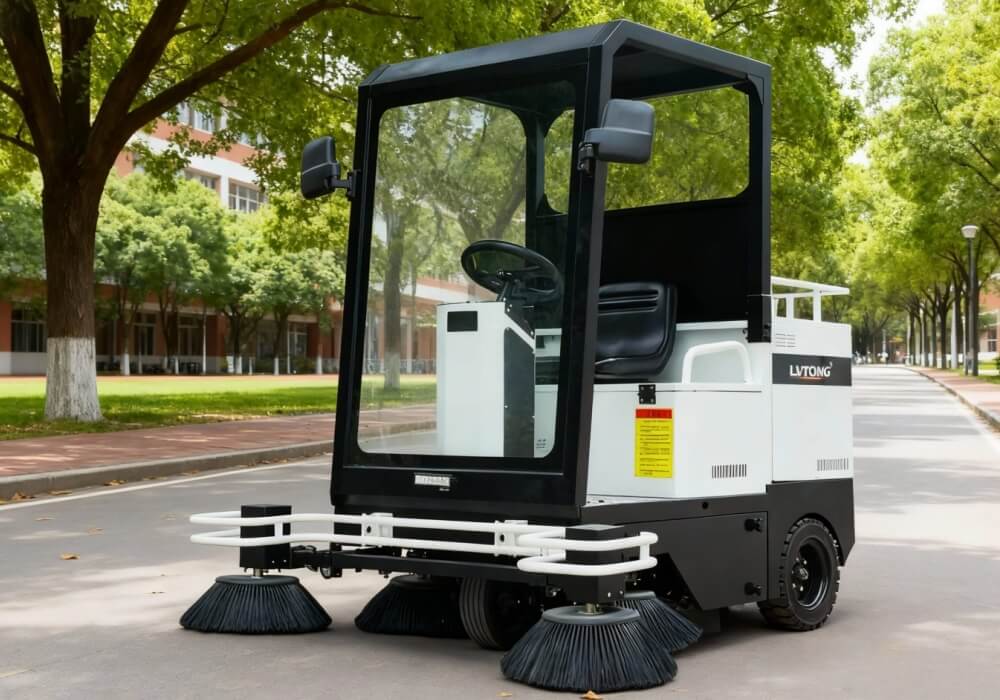
The equipment used for cleaning affects labor time and floor condition. Small warehouses may use manual tools, but large logistics facilities often require ride-on sweepers, scrubbers, and industrial vacuum systems. Modern warehouse floor cleaning equipment can cover larger areas with consistent pressure and controlled water usage.
Mechanical sweepers are commonly used for dust removal because they collect loose particles before they spread through vehicle movement. A ride-on sweeper operating at 5–8 km/h can clean several thousand square meters per hour depending on machine width and floor conditions. Facilities that replaced manual sweeping with powered machines have reported labor reductions of approximately 25–50% in large open areas.
Dust control also depends on filtration performance. Fine particles from cardboard, cement residue, and outdoor soil can remain airborne after normal sweeping. High-efficiency filters help capture smaller particles and reduce redistribution during cleaning. In warehouses with continuous forklift operation, daily dust removal is often required because new particles can appear within hours.
The next challenge after dust control is oil contamination. Oil leaks commonly come from forklifts, hydraulic systems, loading equipment, and maintenance operations. Petroleum-based residues can penetrate concrete pores, making removal more difficult when spills remain untreated.
A simple oil cleaning process usually includes:
-
Remove loose dirt around the affected area.
-
Apply an industrial degreaser designed for concrete or coated floors.
-
Allow 5–15 minutes of contact time.
-
Scrub mechanically and collect the wastewater.
-
Inspect the surface after drying.
Oil treatment methods should match the floor material. Epoxy-coated floors, polished concrete, and untreated concrete have different chemical resistance levels. A cleaner suitable for raw concrete may damage some coatings after repeated exposure. Testing cleaning agents on a small area before regular use helps maintain floor quality.
“Removing oil within the first few hours usually requires less chemical and mechanical effort than treating old residue.”
Tire marks create another common cleaning problem in warehouses with frequent forklift movement. Rubber transfer occurs mainly during turning, braking, and acceleration. Areas near corners, intersections, and loading doors often collect the highest amount of marks because vehicles change direction frequently.
Removing tire marks usually requires mechanical action instead of simple washing. Floor scrubbers with appropriate pads can break down rubber residue while recovering wastewater. Some facilities schedule intensive tire mark removal every 1–4 weeks depending on vehicle traffic.
| Cleaning Method | Suitable Contamination | Typical Application |
|---|---|---|
| Dry sweeping | Dust and loose particles | Daily maintenance |
| Vacuum cleaning | Fine dust | Sensitive areas |
| Scrubbing | Oil and tire marks | Weekly or scheduled cleaning |
| Degreasing | Hydraulic oil and grease | Spill treatment |
| Pressure washing | Heavy outdoor dirt | Loading zones |
Cleaning frequency should also consider warehouse operating hours. A facility running 24 hours per day has different requirements from a warehouse operating eight hours daily. For example, a distribution center processing thousands of pallets weekly may need several cleaning cycles during one shift instead of a single end-of-day procedure.
Worker safety is closely related to floor conditions. Slippery oil spots, accumulated dust, and rubber residue can reduce traction. Occupational safety programs in industrial workplaces often include routine floor inspections because walking surfaces contribute to workplace injury risks. Regular cleaning checks performed every shift can identify contamination before it spreads.
Training employees improves cleaning consistency. Operators should understand machine settings, chemical dilution, and spill handling procedures. A cleaning machine used with incorrect brush pressure or excessive detergent may leave residue instead of improving the surface.
“Cleaning performance depends on equipment settings as much as the equipment itself.”
Maintenance records help warehouses evaluate cleaning results. A simple tracking system can include cleaning dates, machine operating hours, chemical usage, and problem areas. Comparing records over several months can show whether cleaning frequency matches actual warehouse activity.
A monthly inspection may include:
| Inspection Item | Evaluation Method |
|---|---|
| Dust level | Check corners, racks, and unused areas |
| Oil stains | Review equipment parking zones |
| Tire marks | Inspect turning points and aisles |
| Floor coating | Look for wear and surface damage |
| Machine condition | Check brushes, filters, and recovery systems |
Seasonal conditions also influence warehouse floor cleaning. Winter months often bring water, salt, and mud into loading areas, while dry seasons may increase airborne dust. Facilities in regions with large temperature changes may need different cleaning frequencies throughout the year.
Floor cleaning chemicals should be managed carefully. Excess detergent can leave a slippery film, while insufficient cleaning solution may fail to remove oil. Many commercial facilities follow manufacturer dilution ratios and review chemical consumption regularly. Reducing unnecessary chemical use by 10–20% is possible when automatic dosing systems are applied correctly.
The condition of warehouse floors also affects equipment operation. Dust buildup can enter forklift components, while oil residue may increase tire wear. Regular cleaning reduces contamination around machinery and keeps work areas more consistent.
“A warehouse floor maintenance plan works best when cleaning frequency matches traffic levels, contamination sources, and equipment capacity.”
A complete cleaning program combines daily dust removal, scheduled scrubbing, quick oil treatment, and routine inspections. Warehouses with heavy vehicle activity often benefit from separating cleaning tasks by area instead of applying one method across the entire building. With proper scheduling and suitable equipment, facilities can maintain cleaner floors while controlling labor time and maintenance costs.